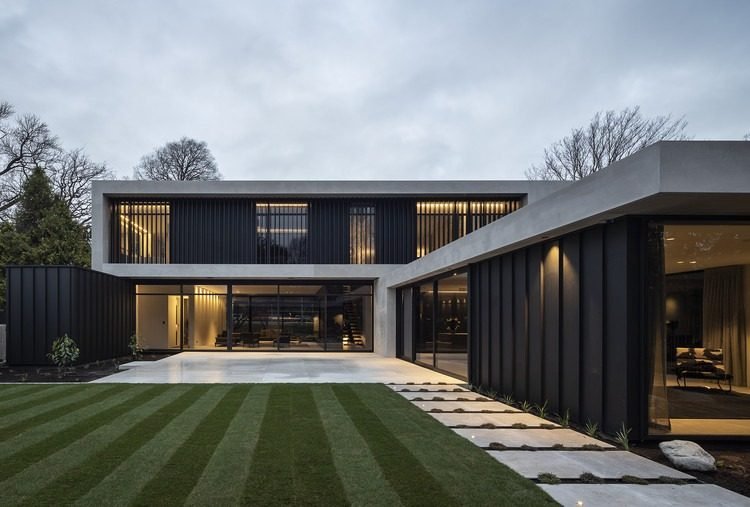
Quick answer (updated October 2026): Architecture shapes society by affecting health, safety, comfort, energy use and how people meet. Good design gives daylight, ventilation, safe structures and shared spaces; poor design creates heat, congestion and higher costs. In Lahore, climate-aware design such as shading, cross-ventilation and insulation directly lowers summer cooling bills.
Our home builders in Lahore handle design, approvals and construction under one written contract.
How architecture affects daily life
| Area | Impact of good design |
|---|
| Health | Daylight and fresh air |
| Safety | Sound structure and fire exits |
| Energy | Shading and insulation cut cooling costs |
| Community | Parks, streets and shared spaces |
| Culture | Buildings that reflect local identity |
Frequently asked questions
Why is architecture important for society?
It decides how safe, healthy, comfortable and connected people are in the places they live and work.
More on this topic
Architecture has a profound impact on society. It shapes the way we live, work, and interact with each other. The design of buildings and spaces can influence our physical and emotional well-being, as well as our economic, social, and cultural development.
One of the most obvious ways that architecture affects society is through the design of housing. The type, location, and quality of housing can have a significant impact on the health, safety, and overall well-being of residents. For example, a well-designed, energy-efficient home can lower utility bills and improve indoor air quality, while a poorly designed, cramped apartment can lead to poor health and social isolation.
Architecture also plays a crucial role in shaping the economic development of communities. Buildings and spaces that are designed to attract businesses, tourists, and residents can stimulate economic growth and create jobs. On the other hand, poorly designed or neglected buildings can have a negative impact on the local economy.
In addition to its practical functions, architecture also has a profound cultural and symbolic significance. The design of a building or space can reflect the values, beliefs, and traditions of a community or society. For example, a grand cathedral can symbolize the religious devotion of a community, or a modern skyscraper can reflect the economic and technological advancements of a city.
Furthermore, architecture can also affect the way we interact with each other and the environment. For example, the design of public spaces, such as parks and plazas, can encourage social interaction and community building, while sustainable design practices can reduce the environmental impact of buildings and promote a more sustainable way of living.
In conclusion, architecture has a great impact on society. It shapes the way we live, work, and interact with each other, and it can have a positive or negative impact on our physical and emotional well-being, as well as our economic, social, and cultural development. Therefore, it is important that architects and designers consider the broader impact of their designs on society.